Paris Real Estate Investment 2026: Complete Guide for Foreign Investors

Discover how to invest in Parisian real estate in 2026. Top neighborhoods, rental yields, administrative procedures, and tax benefits for international investors.

Guillaume Hubert de Fraisse

1/22/20264 min read

Discover how to invest in Parisian real estate in 2026.

Top neighborhoods, rental yields, administrative procedures, and tax benefits for international investors.

Introduction

Paris remains one of the world's most sought-after real estate investment destinations. For foreign investors, the French capital offers a stable market, consistent rental demand, and unparalleled architectural heritage. With its status as a global business hub and cultural epicenter, Paris property investment continues to attract international capital seeking both lifestyle benefits and financial returns.

Why Invest in Paris Real Estate?

Paris offers exceptional market stability compared to other European capitals. The city's limited supply of central properties, combined with constant demand from international executives, students, and tourists, creates favorable conditions for property investors. The post-Olympic infrastructure improvements have enhanced connectivity across the city, increasing the attractiveness of previously overlooked neighborhoods.

The French capital benefits from strong legal protections for property owners, transparent transaction processes, and a mature mortgage market accessible to foreign buyers. Currency diversification opportunities make Paris particularly attractive for Asian investors seeking euro-denominated assets.

Top Parisian Neighborhoods for Investment

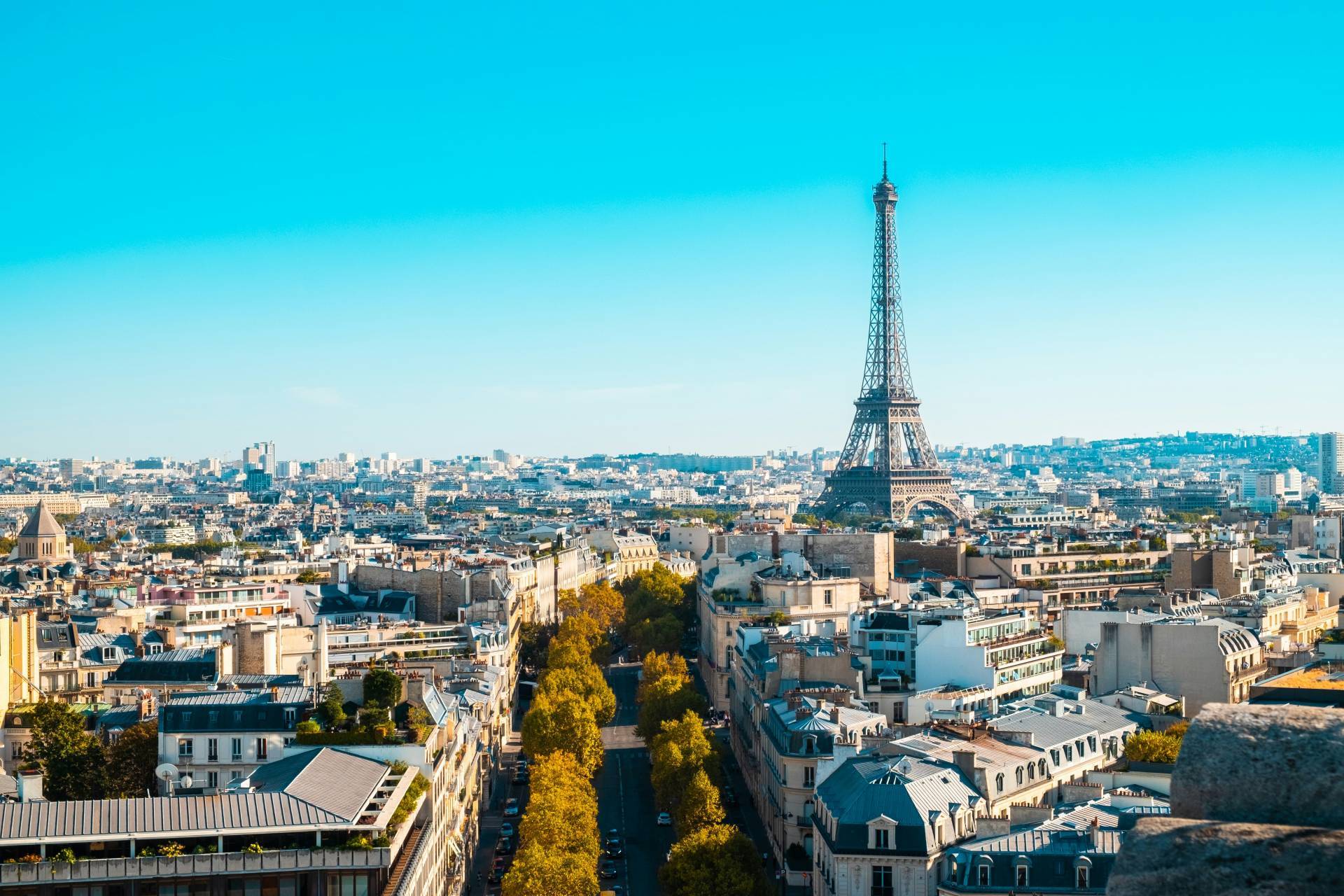
The 7th arrondissement remains the premier choice for luxury pied-à-terre investments, offering immediate proximity to the Eiffel Tower, government institutions, and prestigious museums. Average prices range from €15,000 to €20,000 per square meter for exceptional properties. The Marais district (3rd and 4th arrondissements) attracts international clientele with its unique blend of historic architecture, trendy boutiques, and vibrant nightlife, with prices averaging €12,000-€14,000 per square meter.

The 16th arrondissement, Paris's quintessential residential neighborhood, appeals to expatriate families seeking tranquility while remaining within the city. Properties here offer larger living spaces, proximity to international schools, and access to the Bois de Boulogne. Average prices stand at €11,000-€13,000 per square meter.

Emerging neighborhoods like the 10th and 11th arrondissements present compelling opportunities for yield-focused investors. These areas are experiencing significant gentrification, excellent public transport connectivity, and dynamic cultural scenes. Gross rental yields typically range from 3.5% to 4.5% annually, higher than central arrondissements.

Market Prices and 2025 Trends

The average price per square meter in Paris stands at approximately €9,800 to €10,200 in 2025, with significant variations across arrondissements. Central districts command premium pricing, while peripheral areas offer better entry points. Market analysts predict price stabilization following post-Olympic adjustments, with modest annual growth of 2-3% in sought-after neighborhoods.

Luxury property prices in prestigious locations have demonstrated remarkable resilience, with trophy assets in the 6th, 7th, and 8th arrondissements maintaining values above €18,000 per square meter. The renovation market presents opportunities for investors willing to undertake refurbishment projects, particularly in buildings without elevators or modern amenities.

Administrative Procedures for Foreign Investors

International investors can freely acquire French real estate without prior authorization. Opening a French bank account streamlines transactions and demonstrates financial commitment to sellers. A French notary (notaire) must supervise all property transactions, ensuring legal security and proper title transfer. The acquisition process typically spans 2-3 months from signing the preliminary sales agreement (compromis de vente) to the authentic deed (acte authentique).

Required documents include valid identification, proof of address, and evidence of financial capacity. For corporate acquisitions, additional documentation regarding legal structure, beneficial ownership, and corporate governance will be necessary. Foreign buyers should budget approximately 7-8% of the purchase price for notary fees, registration taxes, and associated costs for second-hand properties and around 2–3%, for new-build "off-plan" properties.

Financing Options for International Buyers

French banks offer mortgages to foreign investors, though requirements are typically stricter than for residents. International buyers can generally obtain financing for 70-80% of the property value, with interest rates currently ranging from 3% to 4.5% depending on profile and loan duration. Some banks specialize in serving non-resident clients and offer English-language support throughout the application process.

Alternative financing through private banks or international institutions may provide more flexible terms for high-net-worth individuals. Currency hedging strategies should be considered to protect against exchange rate fluctuations when repatriating rental income or eventual sale proceeds.

Tax Optimization and Benefits

French real estate taxation offers several advantageous mechanisms for foreign investors. The LMNP (Loueur en Meublé Non Professionnel) status allows furnished rental income to be taxed as business income rather than property income, enabling significant depreciation deductions. This regime can effectively reduce taxable income by 50-70% during the first years of ownership.

Foreign investors should understand the implications of French wealth tax (IFI) which applies to French real estate holdings exceeding €1.3 million. Strategic structuring through holding companies may offer tax efficiencies, though professional advice is essential given anti-abuse provisions.

Rental Market Dynamics

Paris's rental market remains robust across all segments. Short-term rentals face stricter regulations, with primary residences limited to 90 days per year for Airbnb-style lettings. Long-term furnished rentals offer stable income with typical yields of 3-4% gross in central areas. The city's status as a global business center ensures constant demand from corporate relocations and international students.

Rental prices in prime locations average €35-€50 per square meter monthly for quality furnished apartments. Demand significantly exceeds supply for well-located, properly renovated properties with modern amenities. Professional property management services typically charge 8-10% of rental income, providing essential support for absentee foreign landlords.

Legal Considerations and Protections

French property law strongly favors tenants in long-term rental agreements, with strict eviction procedures and rent control in certain zones. Investors should carefully structure lease agreements and may prefer furnished rentals which offer more flexibility. Co-ownership (copropriété) buildings require understanding of shared expenses and decision-making processes.

Insurance requirements include mandatory building insurance and recommended rental guarantee insurance to protect against unpaid rent. Foreign investors should establish power of attorney with trusted local representatives to handle administrative matters and property management decisions.

Conclusion

Paris real estate investment offers foreign investors a combination of capital preservation, moderate yields, and lifestyle benefits unmatched in most global cities. Success requires understanding local market dynamics, proper fiscal structuring, and selection of neighborhoods aligned with investment objectives. Professional guidance from experienced advisors familiar with cross-border transactions proves invaluable for navigating the French property market.